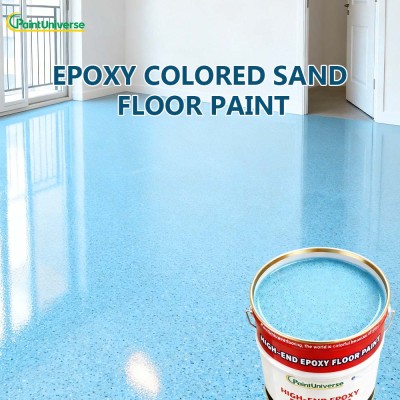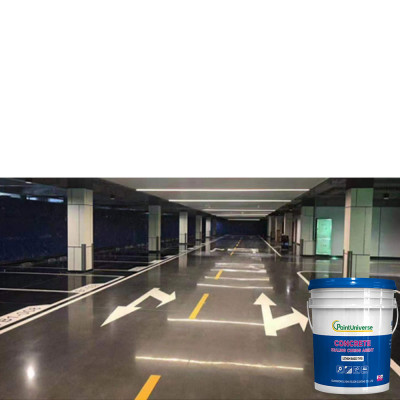
What is Epoxy Color Sand Floor Paint? Everything You Need to Know About This Coating
As experts in innovative flooring solutions, we at PaintUniverse are thrilled to introduce you to epoxy color sand floor paint – a transformative material that revolutionizes how we think about floor coatings. This isn't just about covering a surface; it's about creating a durable, aesthetically captivating, and long-lasting foundation for any space.
Epoxy color sand floor paint merges industrial-grade toughness with stunning, customizable design, making it an ideal choice for a vast array of environments from commercial showrooms to residential garages. Join us as we delve into everything you need to know about this exceptional flooring system.
Key Takeaways
| Feature | Description | Key Benefit |
|---|---|---|
| Exceptional Durability | Composed of high-strength epoxy resin and color sand aggregate, it offers superior resistance to abrasion, impact, and heavy loads. | Reduces long-term repair and replacement costs, making it ideal for high-traffic industrial and commercial areas. |
| Chemical Resistance | The non-porous surface is highly resistant to chemicals, oils, grease, and cleaning agents. | Protects the underlying concrete from corrosion and staining, ensuring a long lifespan in demanding environments like garages and labs. |
| Enhanced Safety | The embedded sand aggregate creates a natural textured surface, providing excellent slip resistance even when wet. | Significantly reduces the risk of slip-and-fall accidents, making it a safe choice for public spaces, healthcare facilities, and wet processing areas. |
| Aesthetic Versatility | Available in a vast range of pre-blended colors and can be custom-mixed to create unique designs, patterns, and even logos. | Offers limitless design freedom to match brand aesthetics, enhance interior design, and create visually appealing spaces. |
| Hygienic and Low Maintenance | Its seamless, non-porous nature prevents the growth of bacteria, mold, and mildew. Cleaning requires only standard mopping or sweeping. | Promotes a clean and sanitary environment with minimal upkeep, perfect for hospitals, commercial kitchens, and schools. |
| Eco-Friendly Options | Modern formulations are available in low or zero VOC (Volatile Organic Compounds) options. | Improves indoor air quality and supports green building initiatives, creating a healthier environment for occupants. |
Unveiling Epoxy Color Sand Floor Paint: More Than Just a Coating
Epoxy color sand floor paint, often referred to as epoxy color sand flooring, is a sophisticated, multi-layered flooring system engineered to transform plain concrete into a high-performance, visually stunning surface. It moves beyond the limitations of simple paint, offering a robust and decorative solution that masterfully bridges the gap between industrial strength and refined aesthetics. This system doesn't just put a color on your floor; it builds a resilient, safe, and captivating asset designed to endure for decades.
The Core Components of Epoxy Color Sand Floor Paint
At its heart, this flooring system is a composite material created from two primary ingredients: high-performance epoxy resin and specially graded, colored sand.
- Epoxy Resin System: This is a two-part thermosetting polymer, consisting of a resin (Part A) and a hardener or activator (Part B). When mixed, they undergo a chemical reaction that creates strong, cross-linked polymer chains. This reaction transforms the liquid mixture into an incredibly hard, durable, and chemically resistant solid. The epoxy acts as the binder that encapsulates the sand and bonds permanently to the prepared concrete substrate.
- Colored Sand Aggregate: This is not ordinary sand. It's an extremely hard, uniformly sized, and durable sand. The sand crystals are coated with a high-quality pigment to produce a vast array of vibrant, UV-stable colors that won't fade over time. This aggregate is broadcast into the wet epoxy, where it becomes the primary source of the floor's strength, texture, and decorative appearance.
The combination results in a flooring matrix that is significantly thicker and more durable than a standard paint or coating, often classified as a slurry or mortar system depending on the thickness and aggregate-to-resin ratio.
Defining Attributes: What Makes Epoxy Color Sand Floor Paint Unique?
Several key characteristics set this flooring system apart from other options like standard epoxy coatings, tiles, or vinyl.
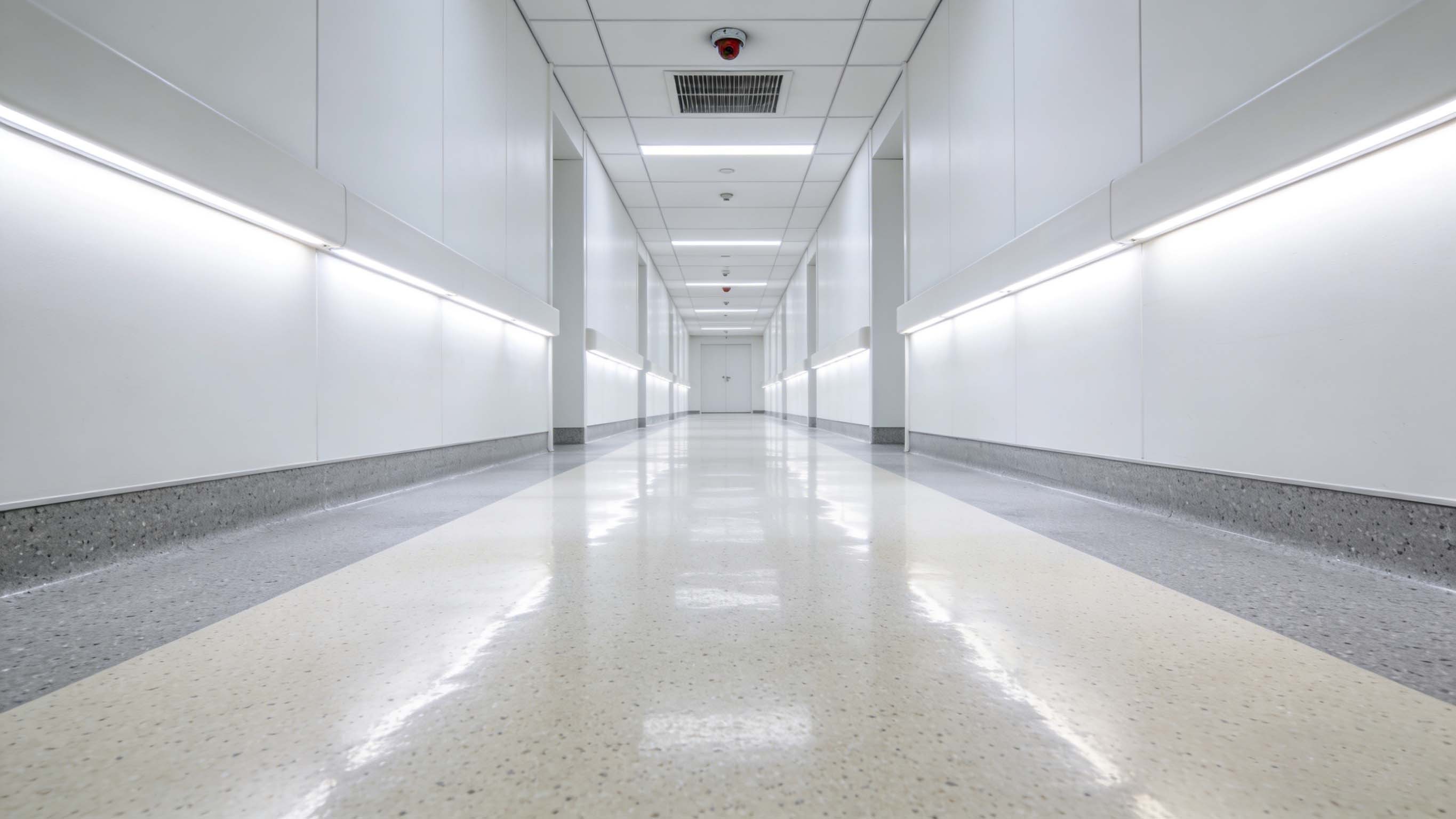
- Seamless and Monolithic Surface: Unlike tiled floors with grout lines that trap dirt and bacteria, an epoxy color sand floor is completely seamless. This creates an impervious barrier that is exceptionally easy to clean and highly hygienic.
- Textured, Multi-Hued Appearance: The combination of colored sand granules creates a deep, multi-dimensional look that is more subtle and sophisticated than a single-color floor or a vinyl flake system. The clear topcoats enhance this effect, making the colors appear suspended within the floor, providing a sense of depth and luxury.
- Engineered Durability: The strength comes from the sand aggregate itself. This system is specifically designed for superior impact resistance, abrasion resistance, and the ability to withstand heavy loads, making it far more robust than a simple roll-on coating.
- Inherent Slip Resistance: The natural texture of the sand aggregate provides a built-in, non-slip profile, which is crucial for safety in both wet and dry conditions. This coefficient of friction can be customized by the thickness of the final topcoat.
Target Environments for Epoxy Color Sand Floor Paint
The unique blend of durability, safety, and aesthetics makes epoxy color sand flooring a versatile choice suitable for a wide range of demanding environments. Its functionality is valued in both industrial and commercial sectors.
Here is a breakdown of ideal applications:
| Category | Example Environments | Why It's a Good Fit |
|---|---|---|
| Healthcare & Institutional | Hospitals, Clinics, Veterinary Offices, Schools, Locker Rooms, Restrooms | Seamless surface is easy to sanitize; slip-resistant and durable for high foot traffic. |
| Commercial & Retail | Showrooms, Retail Stores, Restaurants, Hotel Lobbies, Stadiums | Offers endless custom design possibilities to match branding while withstanding constant public traffic. |
| Industrial & Automotive | Manufacturing Plants, Warehouses, Commercial Kitchens, Aircraft Hangars, Garages | Provides extreme durability, chemical resistance against oils and solvents, and safety for workers. |
| Public & Government | Transportation Facilities, Government Buildings, Airports, Breezeways | Superior wear resistance for heavy foot and cart traffic; provides a safe, and easily maintained surface. |
The PaintUniverse Approach: Mastering the Epoxy Color Sand Floor Paint System
Achieving a flawless, long-lasting epoxy color sand floor is not just about the quality of the materials, but about the mastery of the entire application system. At PaintUniverse, we emphasize a meticulous, step-by-step process where every layer builds upon the last, ensuring a final product of unparalleled strength and beauty. It all begins with the most critical phase: surface preparation.
Foundation First: Critical Surface Preparation for Epoxy Color Sand Floor Paint
The ultimate success and longevity of any epoxy flooring system are overwhelmingly dependent on the quality of the surface preparation. Industry experts estimate that as many as 80% of all coating failures are a direct result of inadequate prep work. A pristine, properly profiled substrate is essential for the epoxy to create a powerful mechanical and chemical bond.
Cleaning and Repair: The Initial Steps
The first stage of preparation is to create a completely clean and sound surface, free of any contaminants that could interfere with adhesion.
-
Thorough Cleaning and Degreasing: The process begins with sweeping and vacuuming to remove all loose dirt, dust, and debris. Any oil, grease, or chemical stains must be completely eliminated. This is achieved by applying a potent degreaser and scrubbing it into the surface, followed by a thorough rinse to remove all residues. A clean surface is paramount for a strong bond.
-
Crack and Spall Repair: The concrete must be structurally sound. Any existing cracks, holes, or spalled areas need to be repaired. Cracks are often ground open with a diamond blade to create a clean "V" shape, removing any loose material. These voids are then filled with a high-strength epoxy patching compound and troweled smooth, ensuring a level and stable base for the coating.
Optimizing Adhesion: Surface Treatment Techniques
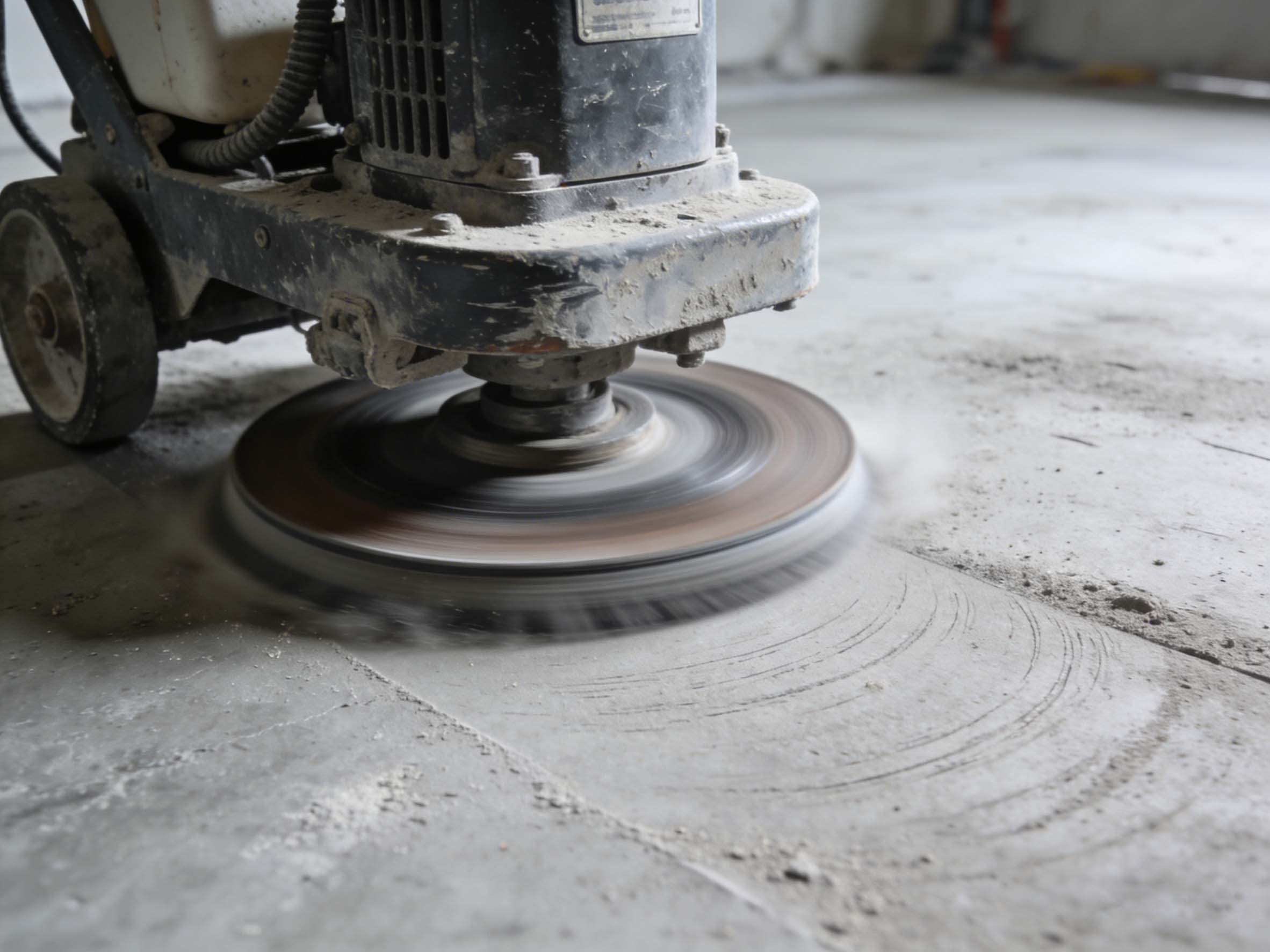
Once clean and repaired, the concrete must be mechanically profiled. This means creating a textured surface, similar to sandpaper, that allows the epoxy primer to grip and bond tenaciously. The industry standard for profiling is measured by the Concrete Surface Profile (CSP) scale. For most epoxy sand systems, a profile of CSP 2-3 is ideal.
The most common and effective methods for achieving this are:
- Diamond Grinding: This is the most popular and versatile method, using a floor grinder with rotating diamond-studded discs to abrade the surface. It effectively removes old coatings, sealers, and the smooth top layer of concrete, creating the perfect texture.
- Shot Blasting: This method uses a machine that propels tiny steel balls at the surface at high velocity. It's extremely efficient for large areas and is excellent at removing fine dust from the concrete's pores, resulting in a very clean and porous surface ready for priming.
After profiling, the floor must be meticulously vacuumed with an industrial-grade vacuum to remove all residual dust. Any dust left behind will compromise the bond between the primer and the concrete.
The Role of High-Performance Primers in Epoxy Color Sand Floor Paint Applications
Skipping the primer is a critical error in any high-performance flooring application. The primer is an essential component that serves multiple functions: it penetrates and seals the porous concrete, creates a strong adhesive foundation for subsequent layers, and can even prevent issues like bubbles from outgassing. A high-quality primer ensures a longer life and reduces the risk of chipping or delamination.
100% Solid Epoxy Primers for Superior Bonding
For most applications, a 100% solids epoxy primer is the superior choice. The term "100% solids" means the product contains no water or solvents that evaporate during curing. This offers several distinct advantages:
- Enhanced Thickness and Durability: Since no part of the coating evaporates, the wet film thickness (WFT) is the same as the dry film thickness (DFT). This results in a thicker, more durable, and less permeable barrier.
- Superior Adhesion: These primers are designed to penetrate deep into the profiled concrete, creating an unbreakable chemical and mechanical bond. This robust bond is the foundation for the entire flooring system's longevity.
- Zero VOCs: The absence of solvents means there are no Volatile Organic Compounds (VOCs) released, making these primers much safer for installers and better for indoor air quality.
Specialty Primers: Addressing Moisture and Challenging Substrates
Not all concrete slabs are perfect. Some present challenges that require specialized solutions to prevent floor failure.
- Moisture Mitigating Primers: All concrete slabs can absorb moisture from the ground, and this moisture vapor transmission (MVT) can exert enough hydrostatic pressure to cause standard epoxy coatings to bubble, peel, or delaminate. In these cases, a moisture-mitigating primer is essential. These specially formulated epoxy primers create an impervious barrier that blocks vapor transmission, allowing for a successful installation even on slabs with higher-than-ideal moisture levels. They are indispensable for projects on or below grade or where a vapor barrier was not installed under the slab.
- Oil-Contaminated Primers: In some industrial or garage settings, concrete can become deeply contaminated with oils and petroleum products that cannot be fully removed through cleaning. For these scenarios, specialized solvent-based epoxy primers are available that are formulated to penetrate through the residual oil and bond to the concrete underneath, ensuring adhesion where other primers would fail.
The Application Process: Crafting Your Epoxy Color Sand Floor Paint
With the foundation perfectly prepared and primed, the artistry of the epoxy color sand floor can begin. This is typically a multi-step process:
-
Primer Application: The chosen epoxy primer is applied evenly across the entire surface using a squeegee and then back-rolled to ensure a uniform coat. The primer must be allowed to cure to a tacky state before proceeding.
-
Body Coat and Sand Broadcast: A clear or pigmented 100% solids epoxy body coat is applied at a specified thickness. While this coat is still wet, the colored sand is broadcast across the entire floor until the epoxy is completely saturated and no wet spots remain. This step, known as "broadcasting to rejection," ensures a uniform density of aggregate.
-
Scraping and Excess Sand Removal: Once the body coat has cured (typically overnight), all loose, unbonded sand is swept and vacuumed off the surface. The surface is then lightly scraped to remove any high points or imperfections, creating a smooth, textured base.
-
Grout/Seal Coat Application: Another coat of clear epoxy is applied to fill the gaps between the sand particles. This "grout coat" is crucial for locking the aggregate in place and building the floor's thickness and durability.
-
Top Coat Application: The final step is the application of a high-performance top coat. The topcoat seals the entire system, provides the final level of surface texture (from aggressive slip-resistance to a smoother, more cleanable finish), and determines the final sheen (gloss, satin, or matte).
This meticulous, layered approach is what gives epoxy color sand flooring its legendary combination of beauty and brawn.
Unrivaled Advantages: The Features of Epoxy Color Sand Floor Paint
Epoxy color sand floor paint represents a significant leap forward from traditional flooring options, delivering a powerful combination of features that address the most demanding requirements of modern spaces. It offers a holistic solution that excels in durability, aesthetics, and day-to-day practical benefits.
Exceptional Durability: Outperforming Traditional Flooring Options
The primary advantage of an epoxy color sand system is its sheer toughness. Engineered by embedding hard sand aggregate into a resilient epoxy matrix, this floor is built to withstand extreme conditions far better than tile, vinyl, or simple concrete paint. Its durability is a result of several key mechanical properties.
High Strength and Pressure Resistance
The compressive strength of a flooring material measures its ability to resist being crushed under heavy loads. While standard concrete typically has a compressive strength of around 3,000 to 5,000 PSI, even basic epoxy sand flooring systems can exhibit a compressive strength of 10,000 PSI or more. Some high-performance formulations can reach a compressive strength of over 90 MPa (approximately 13,000 PSI). This makes the floor exceptionally resistant to damage from heavy machinery, high point loads, and significant impact, ensuring it remains intact in demanding industrial environments.
Superior Wear and Abrasion Resistance for Epoxy Color Sand Floor Paint
Floors in high-traffic areas are constantly subjected to wear from foot traffic, rolling carts, and equipment. Epoxy color sand floors offer phenomenal resistance to this abrasion. The hardness of the sand aggregate, combined with the toughness of the epoxy and urethane topcoats, creates a surface that resists scuffing and scratching. The durability is often measured using the Taber Abrasion Test (ASTM D4060), where a lower abrasion loss indicates higher durability. Professional-grade systems show minimal material loss even after thousands of cycles, significantly outperforming standard epoxy paints and maintaining their appearance for many years.
Chemical and Corrosion Resistance
Epoxy color sand floors form a seamless, non-porous barrier that is highly resistant to a wide array of chemicals. This impenetrable surface protects the underlying concrete substrate from damage caused by spills of oils, solvents, acids, alkalis, and cleaning agents. This attribute is crucial in environments like automotive workshops, chemical plants, laboratories, and food processing facilities, where such exposures are common. High-performance Novolac epoxy resins can be used in the system for even greater resistance to highly corrosive chemicals.
Aesthetic Versatility and Customization with Epoxy Color sand Floor Paint
Beyond its industrial-grade strength, epoxy color sand flooring offers a sophisticated and highly customizable aesthetic that can elevate any space. It provides designers and property owners with a canvas to create truly unique and functional designs.
Rich Colors and Decorative Patterns
The system's aesthetic comes from the colored sand itself. These sands are available in an extensive palette of vibrant, UV-stable colors. By mixing and matching different sand colors, an infinite number of custom blends can be created. This allows for the creation of intricate designs, such as:
- Company logos embedded directly into the floor.
- Clearly demarcated safety pathways and work zones in factories.
- Unique patterns and borders that match a brand's identity or a room's decor.
- Sophisticated, nature-inspired color schemes, like earthy browns and greens, which are trending for biophilic designs.
Creating Luxurious Marble Effects and 3D Visual Depth
Modern application techniques have expanded the decorative potential of resinous flooring even further. By skillfully blending different colors of epoxy and metallic pigments during the application, it's possible to create stunning faux finishes that mimic natural stone like marble. These methods, often combined with a high-gloss topcoat, produce a floor with incredible visual depth and movement. Spraying denatured alcohol onto the wet epoxy can disperse pigments to create cells and micro-veins, adding to the realistic marble effect. This turns a functional floor into a piece of art, ideal for high-end retail stores, hotel lobbies, and luxury residences.
Practical Benefits: Safety, Maintenance, and Environmental Responsibility of Epoxy Color Sand Floor Paint
In addition to toughness and beauty, this flooring system delivers significant practical advantages that enhance safety, simplify maintenance, and promote environmental stewardship.
Enhanced Traction and Slip Resistance
One of the most important safety features is its inherent slip resistance. The textured surface created by the sand aggregate provides a high coefficient of friction, which significantly improves traction and helps prevent slip-and-fall accidents, especially in wet or oily conditions. The level of slip resistance can be customized by the thickness of the final topcoat—a thinner topcoat leaves more texture exposed for greater traction, while a thicker coat creates a smoother, easier-to-clean surface.
Seamless, Waterproof, and Easy to Clean Surfaces
Because the floor is poured in place, it creates a continuous, monolithic surface with no seams or grout lines. This seamless nature means there are no crevices to trap dirt, moisture, bacteria, or mold, making the floor exceptionally hygienic and easy to sanitize. The non-porous surface is also inherently waterproof, preventing liquids from penetrating and damaging the subfloor. Routine cleaning is simple, typically requiring only a standard mop or auto-scrubber, which drastically reduces maintenance costs and effort over the floor's long lifespan.
Eco-Friendly and Low VOC Formulations from PaintUniverse
Environmental responsibility is an increasing priority in construction and design. Many modern epoxy color sand systems, particularly those based on 100% solids epoxy, are formulated to be low or zero VOC (Volatile Organic Compounds). This means they release few to no harmful fumes during installation and curing, contributing to better indoor air quality and making them a safer choice for occupied spaces like hospitals and schools. Choosing these environmentally friendly options helps projects meet green building standards and demonstrates a commitment to sustainability.
Frequently Asked Questions (FAQ)
1. What is the main difference between epoxy color sand paint and standard epoxy floor paint?
The primary difference lies in composition and thickness. Standard epoxy floor paint is a thinner coating, typically 4-30 mils thick, that primarily provides color and a protective film. Epoxy color sand floor paint is a much thicker, multi-layered system (often 1/8 inch or more) that incorporates sand aggregate. This aggregate provides immense durability, compressive strength, abrasion resistance, and a built-in anti-slip texture that significantly outperforms a simple paint coating.
2. How long does an epoxy color sand floor last?
With proper installation and maintenance, an epoxy color sand floor is a long-term investment that can last for decades. Its lifespan significantly exceeds that of traditional flooring options like VCT or standard epoxy paint, which may need replacement or recoating every few years in a high-traffic commercial environment. The combination of hard sand and resilient epoxy provides exceptional wear resistance.
3. Is epoxy color sand flooring difficult to clean?
No, it is remarkably easy to clean. The seamless and non-porous surface prevents dirt, dust, and liquids from penetrating the floor. There are no grout lines to scrub or harbor bacteria. Routine maintenance typically involves simple sweeping, dust mopping, or cleaning with a standard pH-neutral cleaner and a damp mop or an auto-scrubber. This ease of maintenance makes it an ideal choice for hygienic environments like hospitals and commercial kitchens.
4. Can this flooring be installed in an area with a moisture problem?
Yes, but it requires a specialized primer. If a concrete slab has high moisture vapor transmission (MVT), a standard epoxy will likely fail. However, by first applying a specialty moisture-mitigating epoxy primer, the moisture can be blocked, allowing the rest of the epoxy color sand system to be installed successfully. It is crucial to have the concrete tested for moisture before installation to determine if this extra step is necessary.
5. How slip-resistant is epoxy color sand flooring?
It is highly slip-resistant. The texture from the embedded sand aggregate naturally increases the surface's coefficient of friction, providing excellent traction even when wet. The final level of slip resistance can be customized. A thinner topcoat will leave more of the sand's texture exposed for maximum grip, while a thicker topcoat can create a smoother surface that is easier to clean but has slightly less texture.
Conclusion
In conclusion, epoxy color sand floor paint from PaintUniverse represents a pinnacle of modern flooring technology, offering an unparalleled blend of strength, beauty, and practicality. It’s not just a coating; it’s a comprehensive system engineered to perform under the most demanding conditions while providing a sophisticated and fully customizable aesthetic. From its incredible compressive strength and resistance to chemicals and abrasion to its seamless, hygienic, and slip-resistant surface, it addresses all the critical needs of commercial, industrial, and even high-end residential spaces. It’s a solution that not only meets the rigorous demands of various environments but also elevates their aesthetic appeal, making a lasting impression.
Considering the robust performance and endless design possibilities, choosing an epoxy color sand floor paint system for your next project is an investment in long-term satisfaction and superior quality. It is a decision to move past temporary fixes and embrace a durable, safe, and visually stunning foundation for your space. We encourage you to envision the transformation and let us help you turn your floor into a masterpiece of both durability and design. Please share this guide with colleagues and stakeholders who are looking for a truly modern and effective flooring solution.